
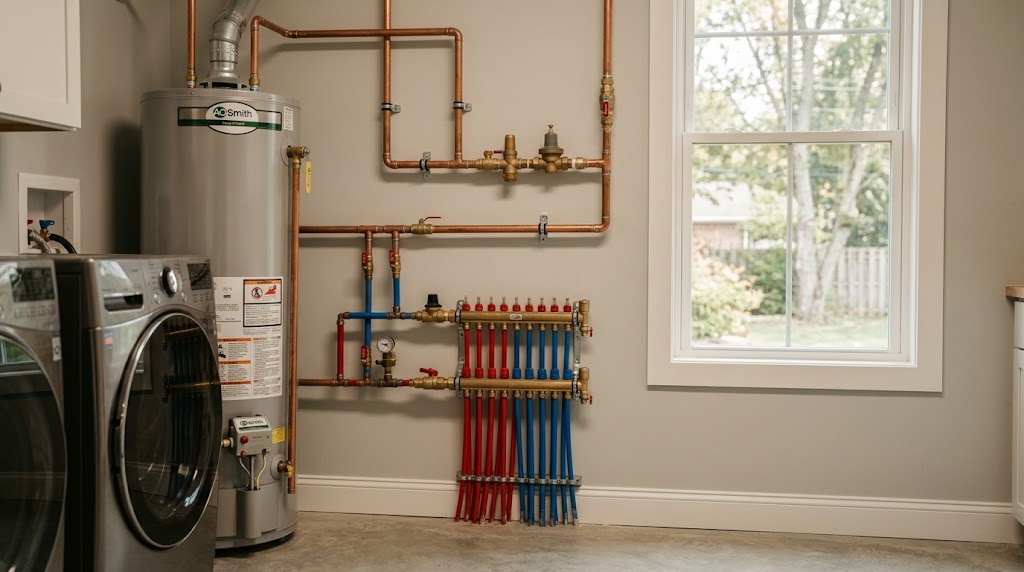
Massachusetts Plumbing Infrastructure & Property Owner Responsibilities
Plumbing systems throughout the Commonwealth of Massachusetts face unique operating demands. From century-old cast iron lines in historic mill towns to modern high-density residential developments in MetroWest, building owners must navigate complex municipal regulations and seasonal freeze-thaw cycles that impact subterranean water and waste infrastructure.
Distinguishing Private Laterals from Municipal Mains
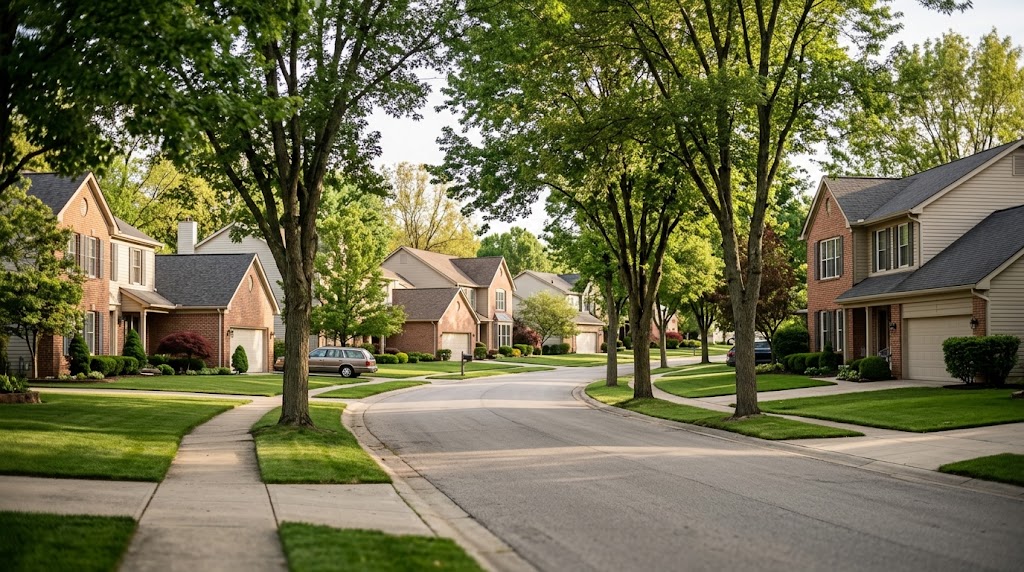
A primary point of confusion for Massachusetts homeowners is the division of maintenance responsibilities between municipal utilities and property owners. Under Massachusetts general laws and local water department regulations, the property owner is generally responsible for the entire service pipe running from the curb stop or property boundary into the structure, including the private sewer lateral that ties into the street main.
When unexpected backups or low water pressure occur, diagnosing the exact failure location is critical before commencing excavation or repair. Our coordinated network employs precision video diagnostic tools to confirm whether an obstruction sits on private property or within the public right-of-way.
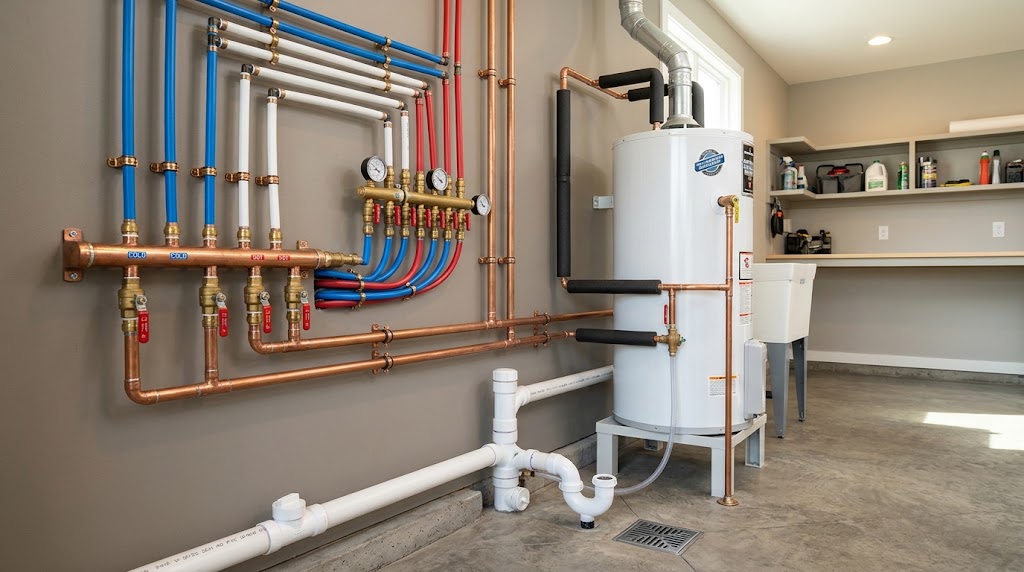
Sustained freezing temperatures in January and February cause widespread hydraulic pressure spikes in exposed plumbing lines across Massachusetts. Ensure foundation crawlspaces are properly insulated, disconnect exterior garden hoses before November, and maintain ambient heat in uninsulated basement mechanical rooms to protect supply lines from catastrophic freeze-ruptures.